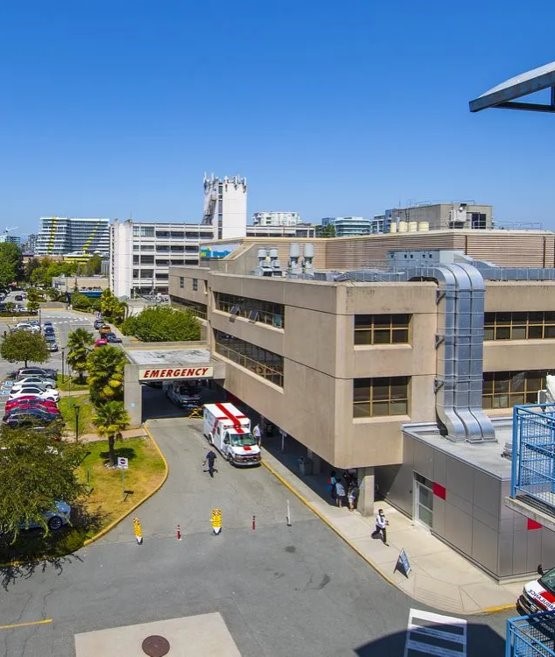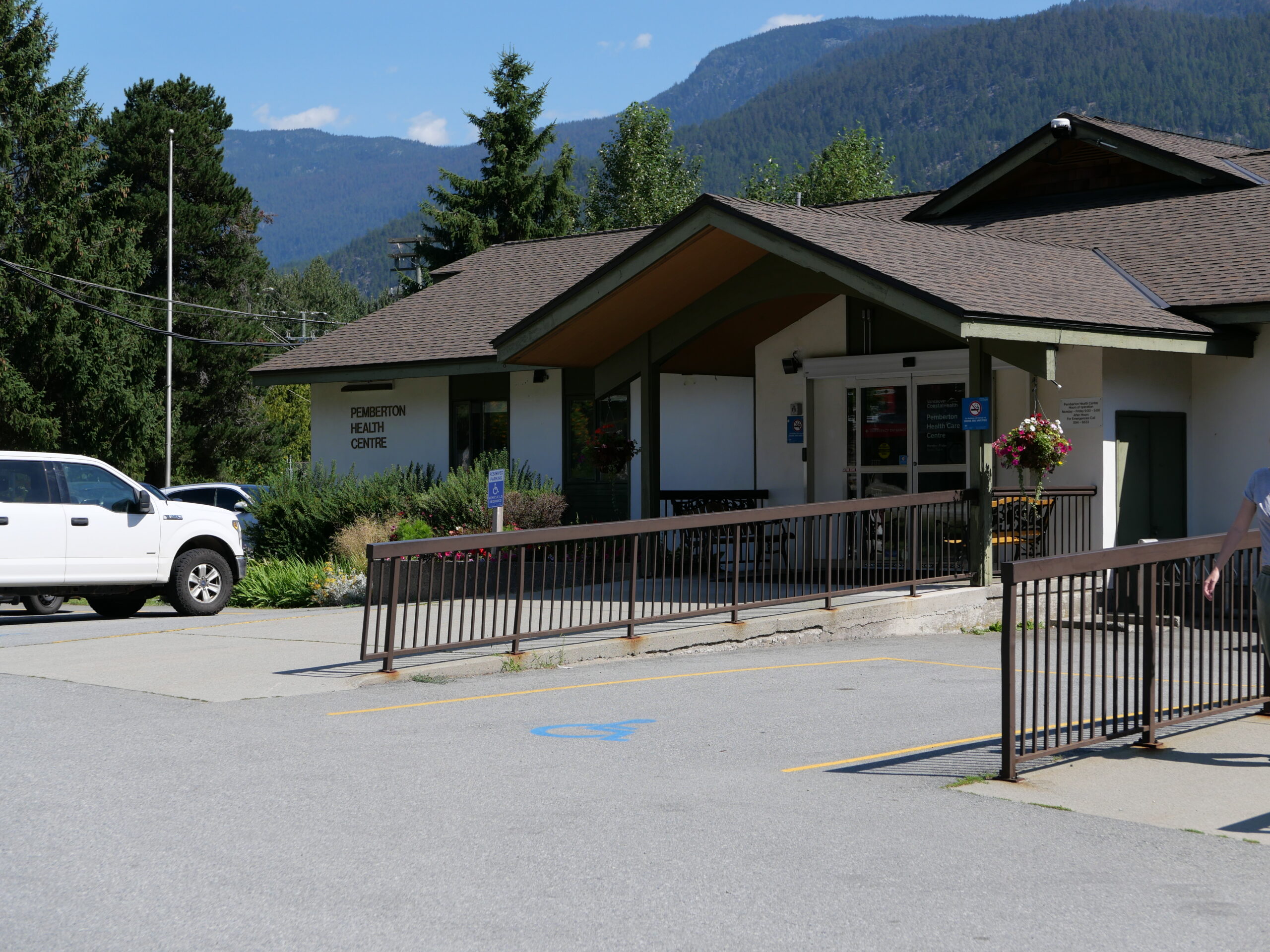
On hot summer days when wildfire smoke thickens the air and temperatures push buildings beyond their limits, health care does not slow down. Patients still require care, staff need safe working environments, and critical systems must remain operational.
For Vancouver Coastal Health (VCH), these pressures are already shaping how facilities function. Extreme heat, smoke events, flooding, and power disruptions are becoming more frequent across the region, affecting both infrastructure performance and care delivery.
The Climate Vulnerability Survey (CVS) is part of a broader effort to integrate climate resilience into the full life cycle of health-care facilities. It complements provincial climate mandates and VCH’s Planetary Health Strategy by translating high-level goals into on-the-ground planning and asset management decisions.
Building a System-wide Picture of Climate Vulnerability
To better understand extreme weather pressures, VCH completed the CVS, a structured assessment that combines climate hazard data with the lived operational knowledge of Facilities Maintenance and Operations teams.
Through document reviews and structured discussions, the survey captures past climate impacts, current vulnerabilities, and existing resilience measures.
This planning lens is critical given the scale of VCH’s rollout. In 2025, the CVS was completed at 14 buildings across VCH communities of care (communities of care are how services are organized geographically and operationally at VCH); the survey has been completed at 20 buildings to date.
The survey doesn’t prescribe solutions. Instead, it creates a shared understanding of risk that informs asset renewal, capital planning, and future upgrades,” says Craig Dedels, Regional Manager of Climate Risk and Resilience.
Designed to integrate into existing asset management and capital planning workflows, the CVS supports climate resilience without adding the need for more reporting. .
Identifying Common Risks and Operational Strengths
Across the surveyed sites, several shared vulnerabilities emerged, including overheating, smoke infiltration, and aging heating, ventilation and cooling systems.
At the same time, the process highlighted strong emergency procedures, backup power capacity, and deep frontline expertise; all critical strengths that support continuity of care during extreme events.
Climate change will continue to test health-care systems. The CVS helps VCH see risks more clearly, recognize strengths, and act earlier rather than waiting for a crisis situation.
By scaling the CVS across the communities of care, VCH is building a robust evidence base that supports proactive upgrades, reduces service disruption risk, and strengthens health-care delivery in the face of a changing climate.