How Providence Health Care is using data, training and teamwork to reduce food waste without compromising patient care
Food waste has social, environmental, financial, and operational impacts, but reducing it is not always straightforward in health care, where meals must be available when patients need them.
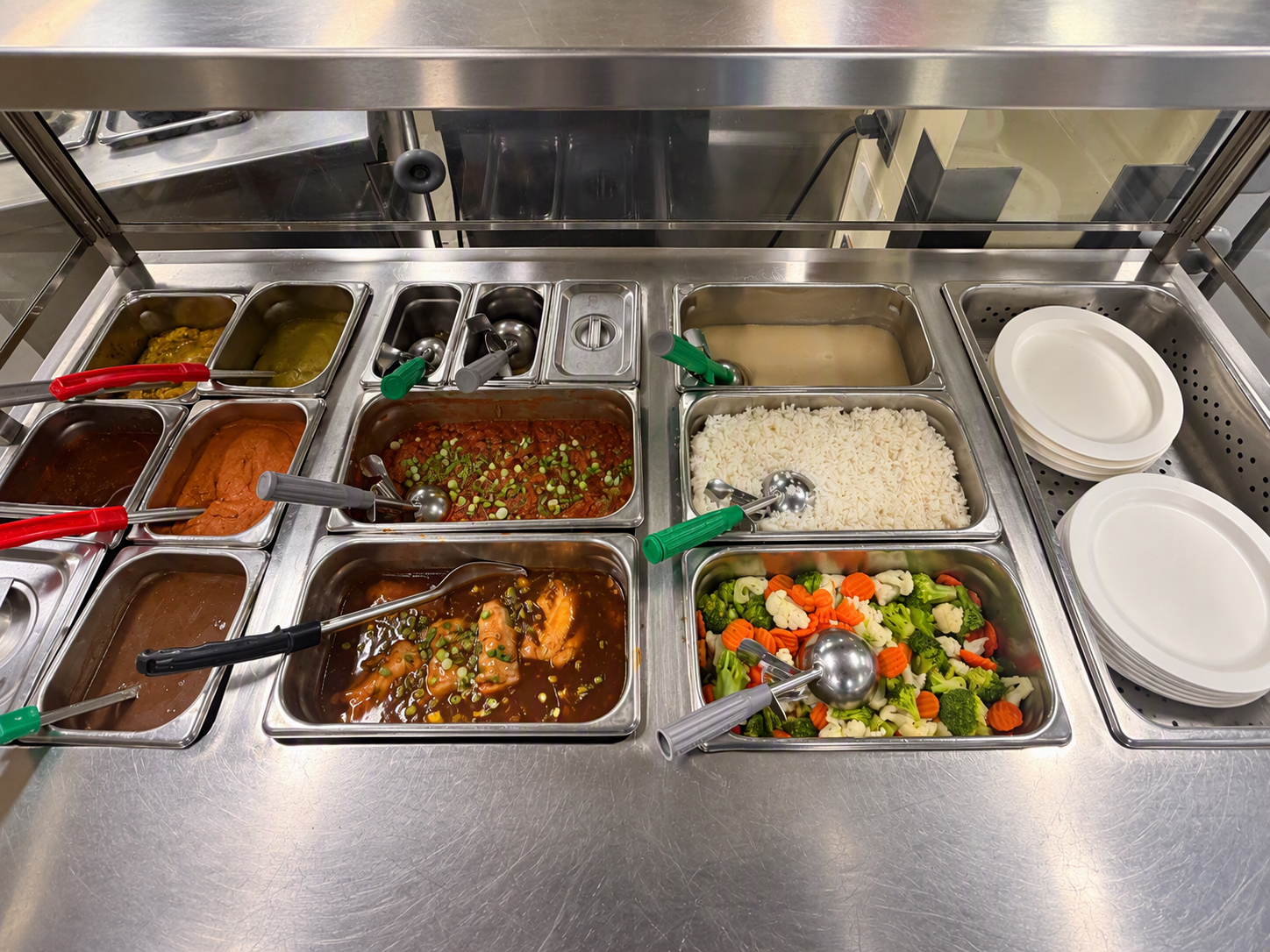
At Providence Health Care, a quality improvement project is demonstrating that small changes in how meals are planned and prepared can make a big difference. Led by Sharon Wang, Manager, Menu and Food Information Systems, the initiative focused on better matching food production with the number of patients being served each day.
Working with frontline staff at St. Vincent’s: Langara, the team examined the amount of food being overproduced and identified opportunities to improve planning, communication, and meal preparation practices. For example, one gap and key change involved training diet technicians to ensure recipes accurately reflected daily production needs. Staff were also engaged in measuring and reviewing food waste, helping create awareness and identify practical solutions.
The results were significant. Lunch production waste at St. Vincent’s: Langara decreased from approximately 29 kilograms to between 7 and 10 kilograms, while overall production waste fell from 19 per cent to 6.6 per cent.
This project showed that reducing food waste does not require major investments or complex technology,” says Sharon Wang, Manager, Menu and Food Information Systems. “Through staff engagement, data-informed decision making, and a willingness to challenge existing practices, we were able to reduce unnecessary food production while maintaining high quality patient care.”
Following its success at St. Vincent’s: Langara, the Food Services team expanded the project to Mount Saint Joseph Hospital in 2025, where the team adapted the approach for an acute-care setting with fluctuating patient volumes. Early results showed a 7.4 per cent reduction in food waste.
In recognition of its impact on quality, sustainability, and resource stewardship, the initiative received Providence’s 2026 BEST Patient Safety & Quality Award. Providence is now using the lessons learned to explore opportunities to expand this production waste reduction approach to other sites in the future, helping reduce greenhouse gas emissions while ensuring nutritious meals continue to reach patients who need them.