Fraser Health delivers care throughout one of the fastest growing and most climate-exposed regions in the province. From extreme heat and wildfire smoke to severe storms and flooding, climate hazards are already shaping how facilities operate and how care is delivered.
Most services take place in buildings designed with historical weather patterns. As conditions shift, understanding where climate risks intersect with aging infrastructure is becoming essential to maintaining safe, reliable care environments.
A practical tool for capturing climate risk
To build understanding of existing facilities, Fraser Health has introduced the Climate Vulnerability Survey (CVS), a structured, facility-level assessment that highlights concerns from hazards such as heat, flooding, and smoke. The tool combines climate data with the operational insight of the Facilities Maintenance and Operations teams, documenting vulnerabilities, strengths, and priority resilience considerations.
Importantly, the CVS complements existing asset planning processes led by the Asset Risk and Quality: Technical Services (ARQTS) team. By aligning climate risk with facility condition, service impact, and renewal priorities, it helps embed resilience directly into capital planning decisions.
Site insights shaped by geography, population needs
In 2025, the survey was completed at two pilot sites: Fraser Canyon Hospital and Heritage Village Long-Term Care. The assessments offer valuable contrasts.
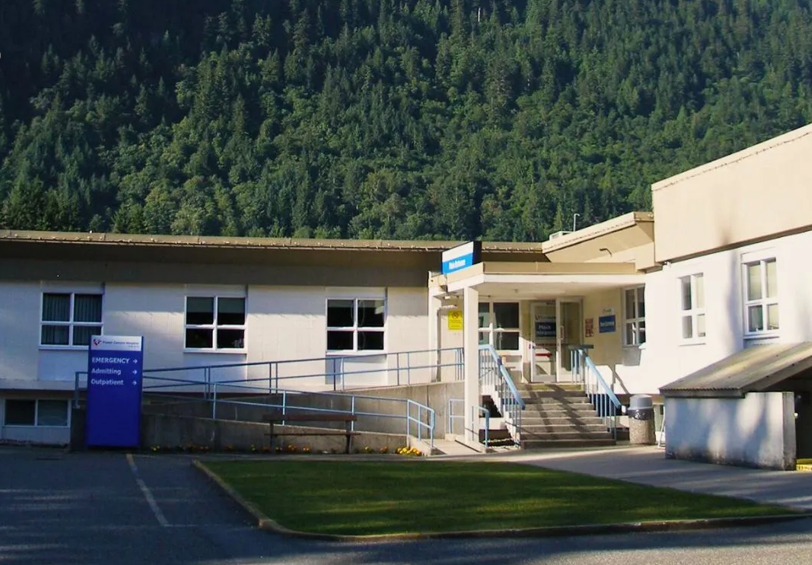
Fraser Canyon Hospital’s location presents distinct risks. Serving a remote corridor, the site faces potential isolation from wildfires, landslides, flooding, and transportation disruptions, making continuity of operations and emergency preparedness especially critical.
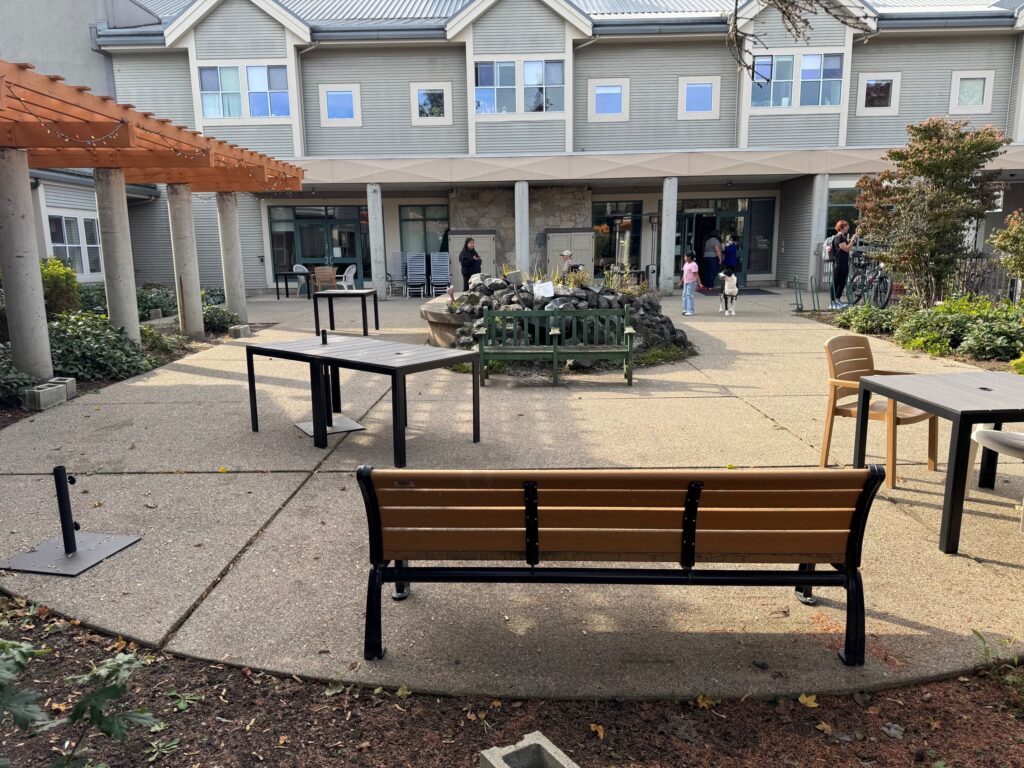
At Heritage Village, the CVS helped contextualize how climate hazards intersect with an aging building and vulnerable long-term care residents. The process also validated recent upgrades—such as cooling improvements—that have already reduced risk while informing future renewal timing.
From pilot to planning integration
Desktop hazard screening, document reviews, and structured staff conversations produced concise summaries that now sit alongside ARQTS outputs. For example, when ARQTS identifies a roof nearing end-of-life or a ventilation system flagged for renewal, the CVS adds context about exposure to extreme heat, smoke infiltration, or localized flood risk. The additional context helps prioritize upgrades that address both asset condition and future climate performance. While early in its rollout, the CVS represents an important shift: moving from reactive responses to proactive, system-wide resilience planning.
For an organization as large and diverse as Fraser Health, climate resilience has to be built into how we already make decisions. The Climate Vulnerability Survey helps us bring climate risk into the same conversations as the building condition, service impact, and renewal priorities,” says Christian Beaudrie, Facilities Integrity Program Manager for the ARQTS team.
As Fraser Health expands the survey to additional facilities, this work is laying the foundation for a more climate-ready health system, one where infrastructure planning and nature based solutions enhance climate adaptation and advance the organizational commitments made in the Fraser Health Planetary Health Strategy.